

Gastric Acidity Medication: When Do You Actually Need It?
Heartburn or indigestion does not automatically justify long-term acid suppression. Treatment should match the cause, severity and a clinician’s advice.
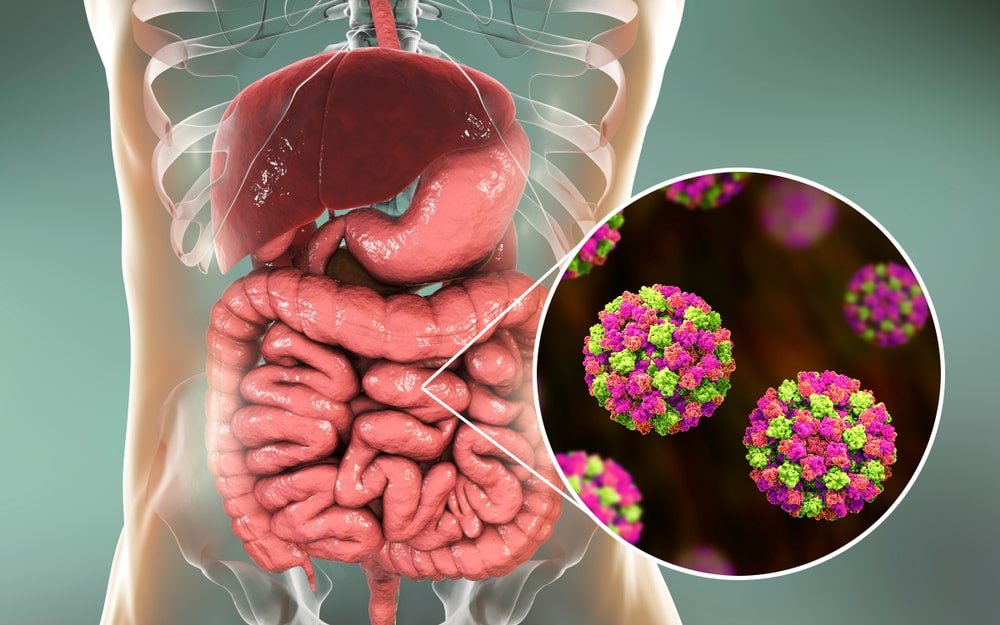
Stomach acid is a normal and essential part of digestion. Problems arise when stomach contents repeatedly flow into the oesophagus, protective tissue is injured, or another condition produces heartburn, regurgitation or indigestion. The presence of acid alone does not mean medicine is needed.
Appropriate use follows clinical assessment
A clinician may recommend a PPI or another acid-reducing medicine for GERD, peptic ulcer disease, erosive oesophagitis, as part of H. pylori treatment, or for selected high-risk patients. Frequent heartburn, sleep disruption or symptoms that persist despite lifestyle measures deserve assessment.
Confirmed disease
Use medicine for the condition and duration identified by a clinician.
Frequent symptoms
Symptoms several times a week should prompt evaluation of the cause.
Specific risk
Selected NSAID users or critically ill patients may need preventive treatment.
Seek urgent care
Get prompt medical help for vomiting blood, black stools, difficulty swallowing, unexplained weight loss, persistent vomiting, anaemia or new severe chest pain.
Avoid prolonged medicine for temporary discomfort
One episode after a heavy meal, mild indigestion without a diagnosis, or taking tablets “just in case” usually does not justify regular treatment. Stress-related stomach discomfort is not always caused by acid.
PPIs are effective, but the need and duration should be reviewed
PPIs are generally safe and effective when appropriately prescribed. Some people experience headache, diarrhoea or stomach upset. Researchers continue to study possible associations between long-term or high-dose use and certain infections or nutrient deficiencies. Discuss benefits and risks with your clinician. Stopping suddenly may cause rebound symptoms in some people, so do not change treatment on your own.
Helpful measures before and alongside medicine
Smaller meals
Avoid overeating and identify foods that reliably trigger your symptoms.
Allow time after meals
Try not to lie down for at least two to three hours after eating.
Weight and habits
Maintain a healthy weight, avoid smoking and limit alcohol.
Night-time reflux
When appropriate, a clinician may advise elevating the head of the bed.
Further reading
NIDDK: Treatment for GER & GERD
NIDDK: Treatment of Gastritis & Gastropathy
The goal is not to eliminate stomach acid—it is to manage the right condition safely
Use acid-reducing medicine only when needed, at the lowest effective dose and for the duration advised. If symptoms persist or recur, seek a proper diagnosis rather than simply renewing a prescription.