

The Silent Threat of Fatty Liver: Awareness Is the Key to a Healthier Liver
Unhealthy eating patterns, excess weight and physical inactivity have made fatty liver an important health concern. It may progress without obvious early symptoms.
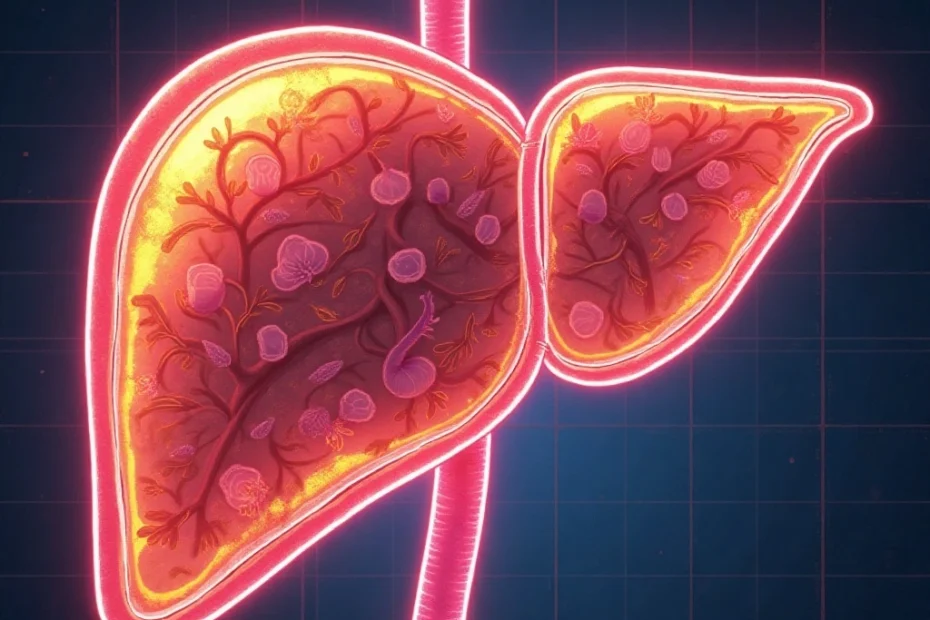
Fatty liver means excess fat has accumulated in the liver. The modern term metabolic dysfunction-associated steatotic liver disease, or MASLD, describes fatty liver associated with metabolic risk factors. It was previously called NAFLD.
What is fatty liver and why does it occur?
A small amount of fat can normally be present in the liver. When fat accumulation becomes excessive, it is called steatosis or fatty liver. Common risk factors include overweight or obesity, type 2 diabetes, abnormal cholesterol or triglycerides, high blood pressure, physical inactivity and diets high in excess calories or highly processed foods.
Alcohol-related fatty liver
Fat accumulation associated with harmful or excessive alcohol use.
Metabolic dysfunction-associated steatotic liver disease
Fat accumulation associated with metabolic risks such as excess weight, diabetes, high blood pressure or abnormal blood lipids.
Why awareness matters
Fatty liver can remain without clear symptoms for a long time. People with risk factors may therefore need timely clinical assessment.
Why can fatty liver become serious?
Many people notice no specific symptom in the early stage. Some may have tiredness or mild discomfort on the right side of the upper abdomen. In a proportion of patients, inflammation and scarring can develop over time.
Progressive inflammatory disease is now called metabolic dysfunction-associated steatohepatitis, or MASH. Continued fibrosis may lead to cirrhosis and can increase the risk of serious liver complications.
How doctors evaluate fatty liver
Symptoms alone cannot reliably diagnose fatty liver. A clinician may consider medical history, weight, diabetes and other metabolic risks before recommending blood tests, imaging or fibrosis assessment.
Ultrasound
An abdominal ultrasound may provide an initial indication of fat in the liver.
Blood tests
Liver enzymes and relevant metabolic tests may be requested.
FibroScan
Transient elastography may help assess liver stiffness and the risk of fibrosis.
Lifestyle change is the foundation
Improve food quality
Limit sugary drinks, excess added sugar, highly processed foods and trans fats; prioritise vegetables, fruit, pulses and whole grains.
Manage weight gradually
If you have excess weight, gradual and sustainable weight loss can reduce liver fat.
Be physically active
Build regular moderate activity, such as brisk walking, according to your ability and medical advice.
Control metabolic risks
Manage diabetes, blood pressure and abnormal lipids with appropriate professional care.
Avoid unproven remedies
Do not start medicines, herbal products or supplements without discussing them with a clinician.
Attend follow-up
Follow the recommended schedule for weight, blood tests and fibrosis-risk assessment.
Further reading
Awareness, consistent habits and appropriate assessment protect liver health
Do not ignore fatty liver. Healthy eating, regular activity, weight and metabolic-risk management, and timely professional advice can reduce the risk of progression.